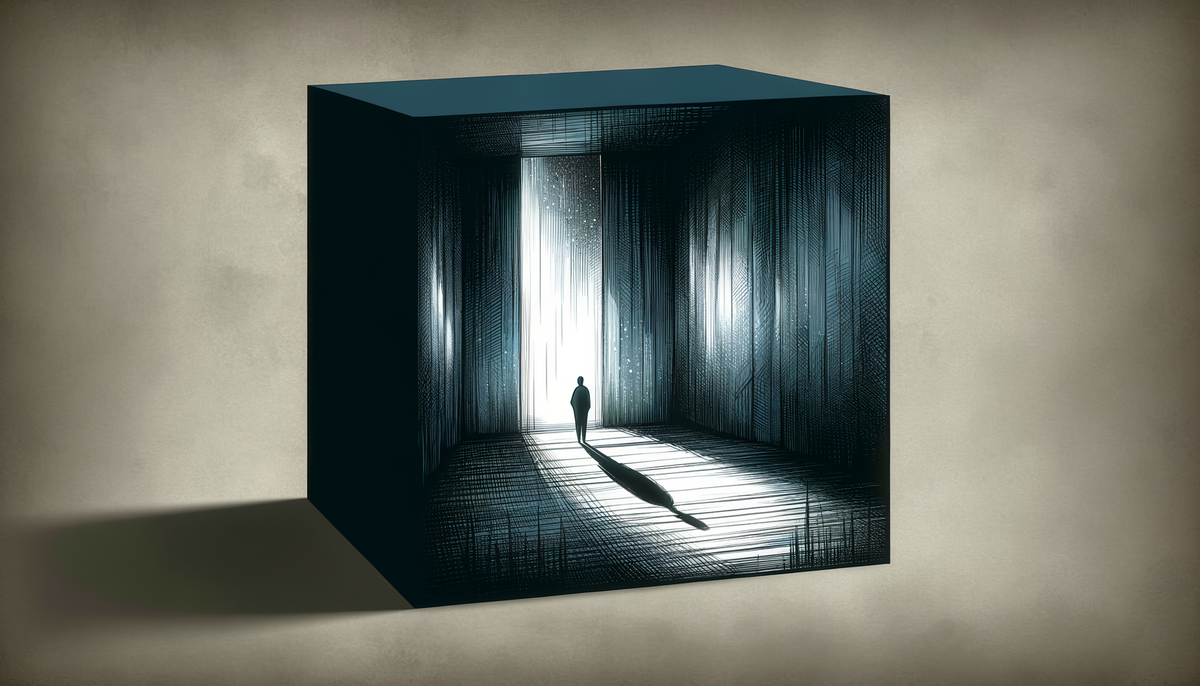
A Quiet Beginning: Who Are Introverts and Overthinkers?
If you’ve ever felt most at home in your own mind, you’re not alone—this is a space Carl Jung introverts know well. Many of us, especially introverts and overthinkers, know this feeling deeply. We know what it’s like to live in the mind’s shadow. It’s a space where thoughts twist, bloom, and sometimes tangle. But what does it truly mean to be an introvert or an overthinker? Let’s explore this inner landscape together. We’ll see why it feels both familiar and mysterious.
The Inner Landscape: What Does It Mean to Be an Introvert?
Being an introvert isn’t just about liking quiet places. It’s about finding energy in solitude, and feeling most alive when exploring thoughts rather than crowds. Introverts prefer meaningful conversations over small talk. They often process the world deeply, noticing details others might miss. For many, this internal focus is a source of strength, not a weakness.
Overthinking Defined: More Than Just Deep Thought
Overthinking goes beyond simple reflection. It’s the habit of replaying scenarios and analyzing every angle. Sometimes you get lost in a maze of possibilities. While it can bring clarity, it can also feel overwhelming. It can feel like a storm of thoughts that never quite settles. For those who experience it, overthinking is often an attempt to understand. It is also an attempt to prepare and connect with the world. It reaches for connection on a deeper level.
Jung’s Mirror: How Carl Jung Described Introversion and Intuition

Carl Jung, the renowned Swiss psychologist, offered a unique lens for viewing introverts and overthinkers. He saw these traits not as flaws, but as natural variations in how people relate to the world. Jung’s ideas help us understand why some of us turn inward, and what gifts and challenges come with this orientation.
Turning Inward: Jung’s Core Concept of Introversion
Jung described introversion as a focus on the inner world of thoughts and feelings. For introverts, energy flows inward. They reflect before acting, and often seek meaning and authenticity in their experiences. This turning inward isn’t about avoiding others—it’s about honoring the rich, complex world inside.
The Role of Intuition and Sensitivity
According to Jung, introverts are often intuitive and sensitive. They pick up on subtle cues, sense undercurrents in conversations, and notice what goes unsaid. This sensitivity can be a gift, allowing for deep understanding and empathy. But it can also make the world feel overwhelming at times.
The Gift and Challenge of Depth
Jung believed that those who live in the mind’s shadow possess a unique depth. They see connections, patterns, and meanings that others might overlook. This depth can lead to profound insights—and, sometimes, to overthinking. Balancing this gift requires self-acceptance and compassion.
Why Overthinking Feels Like Home – and a Storm

For many introverts and overthinkers, the mind is both sanctuary and tempest. It’s a place of comfort, where thoughts can wander freely. It can also be a source of anxiety when those thoughts spiral. Jung’s perspective helps us understand this tension more clearly. It shows why overthinking is more than a bad habit. It’s rooted in the way some of us are wired.
The Roots of Overthinking in Jungian Psychology
Jung saw overthinking as a natural extension of introspection and intuition. When we turn inward, we’re more likely to examine, question, and revisit our experiences. This can lead to creativity and insight, but also to rumination if we get stuck on worries or regrets.
Emotional Tides: Navigating Worry, Self-Doubt, and Curiosity
Overthinkers often ride waves of worry, self-doubt, and curiosity. These emotional tides can be exhausting, but they’re also signs of a mind that cares deeply. Navigating these feelings means learning to accept uncertainty and to find peace in not having all the answers.
Why Overthinking Isn’t a Flaw
It’s easy to see overthinking as a problem, but Jung’s view encourages us to recognize its value. Overthinking can foster empathy, creativity, and resilience. When channeled with care, it becomes a source of strength, not just a storm to weather.
Shadow and Light: How Introverts and Overthinkers Experience the World

Living as an introvert or overthinker means moving between shadow and light—between quiet observation and authentic expression. The world can feel overwhelming, but it can also be a canvas for deep connection and creativity.
Quiet Observation and Authentic Expression
Introverts often notice what others overlook. They see beauty in the ordinary and meaning in silence. This quiet observation fuels authentic expression, whether through words, art, or simply being present with others.
Isolation vs. Solitude: Finding Comfort in Darkness
There’s a difference between isolation and solitude. Introverts find comfort in solitude—a chosen darkness that feels safe and restorative. It’s a space to recharge, reflect, and reconnect with one’s inner world.
The Creative Edge: Turning Reflection Into Art
Reflection often sparks creativity. Many introverts and overthinkers turn their thoughts into art, music, or writing. This creative edge transforms inner complexity into something beautiful and shareable, allowing others to glimpse unseen worlds.
Inner Realms in Ink: How Art Gives Voice to Silent Souls

At Ink & Introverts, we believe that art is a language. It speaks for those who feel deeply but speak quietly. Our hand-drawn ink artworks are born from introspective spaces Carl Jung described. They emerge from places where thoughts run deep. They come from places where emotions linger in the shadows.
Hand-Drawn Emotion: Art That Speaks for the Quiet
Each piece in our collection is drawn by hand. It captures the subtle emotions that introverts carry. It also captures the unspoken stories that overthinkers carry. These aren’t mass-produced designs. They’re authentic reflections of real, inner worlds.
Why Authentic Art Resonates with Those Who Feel Deeply
Authentic, hand-drawn art resonates because it mirrors the complexity and vulnerability of those who live inside themselves. It’s more than decoration; it’s a way to feel seen and understood, even without words.
Unseen Worlds on Paper: The Power of Imagery for Overthinkers
For overthinkers, imagery can be a lifeline. It offers a way to express what’s hard to explain. Our art invites you to explore these unseen worlds. It invites you to find comfort in their depths. You can know that your inner landscape is shared. You can feel that your inner world is valued.
Common Misconceptions and FAQs About Introverts and Overthinkers
Let’s clear up some common questions about introversion and overthinking, especially as Carl Jung saw them.
Is Being an Introvert the Same as Being Shy?
No—introversion is about where you draw energy, while shyness is about fear of social judgment. Many introverts are confident and comfortable in their own skin, just more selective about their social interactions.
Can Overthinking Be Positive?
Absolutely. Overthinking can help with problem-solving, creativity, and empathy. The key is to balance reflection with action and self-compassion.
How Do Introverts Find Community?
Introverts often seek deep, meaningful connections rather than large groups. Online spaces, creative communities, and quiet gatherings can offer a sense of belonging without overwhelming stimulation.
From Ink to Understanding: Embracing Who You Are
Living in the mind’s shadow doesn’t mean you’re alone. In fact, it means you experience the world with depth, authenticity, and sensitivity. Embracing your introverted or overthinking nature is an act of self-acceptance—and a path to genuine connection.
Finding Comfort in Your Own Mind
It’s okay to find comfort in your own thoughts. Give yourself permission to retreat, reflect, and recharge. Your inner world is a source of strength, not something to hide.
An Invitation to Quiet Souls: Exploring Art That Echoes Your Thoughts
If you’re looking for art that understands you, you’re in the right place. At Ink & Introverts, every piece is created for those who feel everything and say nothing. Explore our collections and find art that echoes your thoughts, your feelings, and your story. Feel everything, say nothing—and know you are understood.


